CNC加工が弦楽器製作者に競争上の優位性をもたらす理由とは?
伝統的なギター製作では、楽器1本につき数百時間を要する。手彫りで成形されたアコースティックギターのネック1本を作るのに丸3日かかることもある。 CNCウッドルーター同じネックでも、セットアップ時間を含めて4時間以内に加工できます。このスピード上の利点はバッチ生産においてさらに顕著になり、小規模な工房でもカスタムオーダーへの対応と在庫生産を同時に行うことができます。
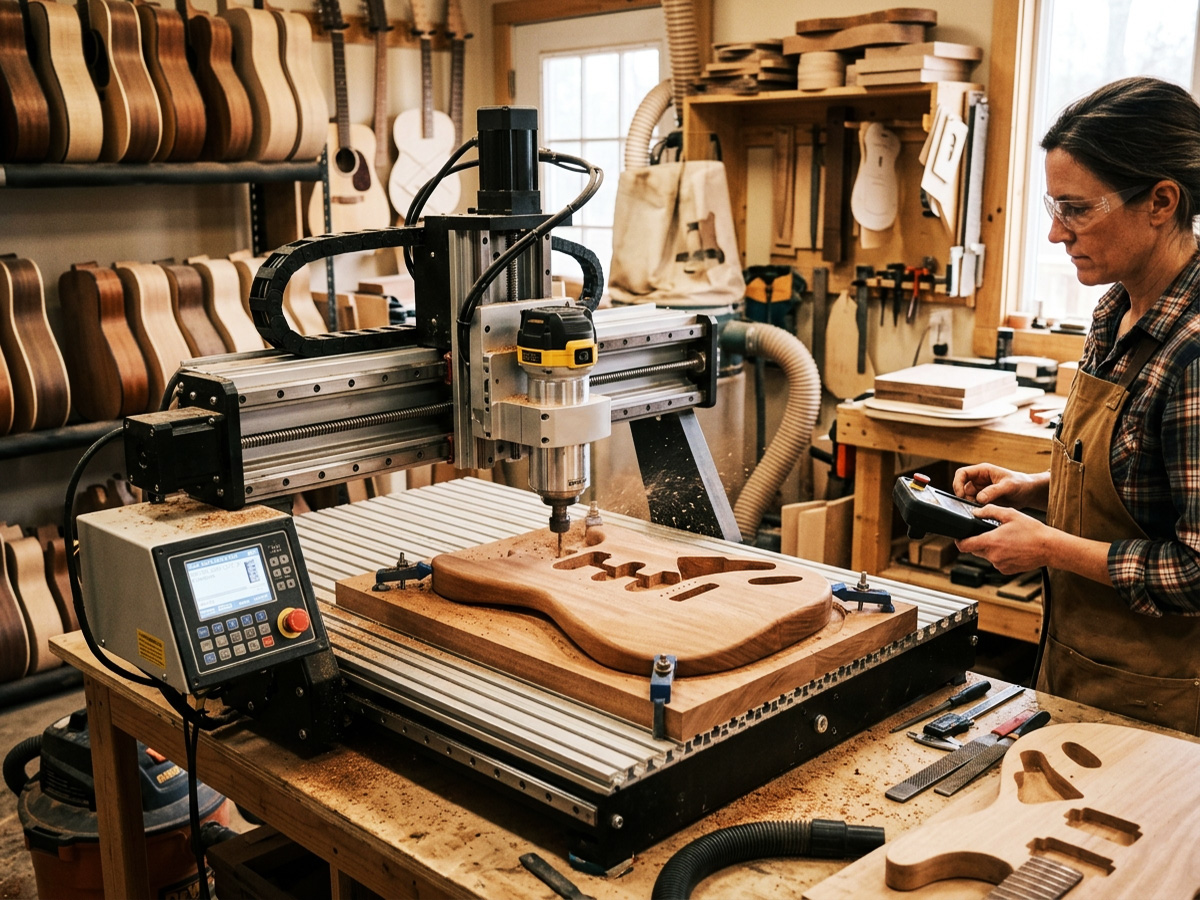
CNC加工は、手作りの楽器につきもののばらつきも解消します。すべての空洞、半径、輪郭は検証済みのCADファイルから再現されるため、製造ラインから出荷された10本目のギターも、1本目のギターと全く同じ音色と演奏性を実現します。
| サイズ測定 | 手作り | CNCルーター加工 |
|---|---|---|
| ボディシェイプの時間 | 6-8時間 | 45〜90分 |
| 首の彫刻の時間 | 2〜3日 | 3-4時間 |
| 寸法公差 | ±0.5 mm(標準) | ±0.05 mmを実現 |
| 材料廃棄率 | 15〜25% | 5-10% |
| バッチの一貫性 | 変数 | CADファイルごとに同一 |
CNC加工ギターパーツへの需要の高まり
世界のギター市場は2025年には約12.7億米ドル規模に達し、2030年代初頭まで年平均約7.5%の成長率で拡大すると予測されている。カスタムギターやブティックギターは最も急速に成長している分野の一つであり、カスタムショップの受注量はかつてないほどの水準に達している。
Reverb、Etsy、eBayなどのオンラインマーケットプレイスのおかげで、小規模な製作者が世界中のバイヤーに簡単にリーチできるようになりました。中古ギターやブティックギターの販売だけでも、年間数十億ドル規模の市場を形成し、年率100%以上で成長しています。 5% 1年当たり。
・2020年以降にギターを始めた人の約45~49%は女性であり、購入者層が劇的に拡大している。
• 200米ドル以下のエントリーレベルのギターは約 60% ユニット販売の増加により、手頃な価格で高品質な部品に対する大きな需要が生まれている。
• オンラインでのギター販売は現在38%を占めています。40% 米国で購入されたギターのうち
・カスタマイズの需要が急増しており、購入者はパーソナライズされたボディ形状、インレイ、仕上げを求めている。
作成・販売できるもの:価格表付き製品カタログ?
CNC加工によるギター製造事業は、完成品の製造だけに留まりません。部品販売、アクセサリー、関連製品の販売など、複数の収益源が生まれます。以下に、CNC加工製品の概算単価を記載した製品カタログを掲載します。
| 製品 | 材料 | 価格帯 | 販売チャンネル |
|---|---|---|---|
| エレキギター本体(無地) | ハンノキ、トネリコ、シナノキ | $ 60- $ 150 | Reverb、eBay、直接注文 |
| アコースティックギター用ボディキット | スプルース、マホガニー | $ 120- $ 300 | 弦楽器製作用品販売店 |
| ギターネック(メイプル/ローズウッド) | メープル、マホガニー | $ 50- $ 180 | Reverb、Etsy、卸売 |
| 指板 | 黒檀、ローズウッド、メープル | $ 20- $ 60 | 弦楽器製作用品、直接 |
| ヘッドストックのオーバーレイ/ベニヤ | 黒檀、エキゾチックな広葉樹 | $ 8- $ 25 | Etsy、弦楽器製作者フォーラム |
| カスタムインレイ(指板/ロゼッタ) | マザーオブパール、アワビ、アクリル | $ 15- $ 80 | ダイレクト、リバーブ、Etsy |
| ピックガード | アクリル、木材、セルロイド | $ 10- $ 40 | Amazon、Reverb、直接 |
| ギターピック(オリジナルブランド入り) | アクリル、木材、角 | 2個あたり8~XNUMXドル | Etsy、バンドグッズ、卸売 |
| ギタースタンド/壁掛けハンガー | ハードウッド、合板 | $ 25- $ 75 | アマゾン、Etsy、音楽小売業者 |
| カスタムギターケースインサート | 発泡材+合板シェル | $ 40- $ 120 | ダイレクト、リバーブ |
| 建築業者向けの治具と型紙 | MDF、アクリル | $ 15- $ 50 | 弦楽器製作者フォーラム、Etsy |
ギター製作に適したCNCルーターの選び方
適切な機械を選ぶには、生産量、作業スペース、予算を考慮する必要があります。コンパクトな600×900mmルーターはギターのボディやネックの加工に適していますが、フルサイズのルーターは 4x8 CNCウッドルーター 1枚のシート上に複数の部品を重ねて配置できるため、バッチ生産のスループットを最大化できます。
さまざまな形状(ボディキャビティ、ネックポケット、インレイポケット)をカットするショップの場合、 自動工具交換機能付きATC CNCルーター 手動でのビット交換が不要になり、複数工程の連続運転において大幅な時間短縮を実現します。2.2~3.0kWのスピンドルは、メープルやマホガニーなどの硬材加工に十分なパワーを発揮します。より大規模な商業用途では、4.5kW以上のスピンドルと真空吸着装置を組み合わせることで、工業グレードの性能を実現できます。
推奨されるマシン構成
| 規模 | ワークエリア | スピンドル | 以下のためにベスト |
|---|---|---|---|
| 趣味/起業 | 600×900 mm | 1.5〜2.2 kW | 単体ボディ/ネック生産、プロトタイプ製作 |
| 小さな工房 | 1300×2500 mm | 3.0〜4.5 kW | バッチボディ、ネストカッティング、ジグ製作 |
| プロダクションショップ | 1500 × 3000 mm以上 | 4.5~9.0 kW + ATC | 大量生産、複数部品のネスティング |
CNC加工ギター部品の材料に関する推奨事項
木材の選定は、音質、加工性、そして小売価格に直接影響を与えます。以下に、CNC加工によるギター製造で一般的に使用される材料と、それぞれの典型的な用途を示します。
・アルダー/バスウッド:軽量で加工しやすく、エレキギターのボディ材として最適。フェンダースタイルのギター製作者に好まれる。
・アッシュ(スワンプアッシュ):木目が粗く、明るい音色。テレキャスターやストラトキャスタータイプのギター製作に人気。
・マホガニー:暖かく豊かな音色と優れたサステインが特徴。レスポールスタイルのボディやアコースティックギターのバック/サイド材として標準的に使用されています。
・メープル材:密度が高く、明るい色合いが特徴です。ネック、指板、ボディトップなどに使用されます。CNC加工には、鋭利な工具と低速の送り速度が必要です。
・スプルース:アコースティックギターのサウンドボード材として最もよく使われる木材。軽くて丈夫で、共鳴性に優れている。
・黒檀/ローズウッド:高級指板材。密度が高く油分を多く含むため、超硬工具を使用し、スピンドル回転速度を低く設定してください。
レーザー彫刻と象嵌細工で付加価値を高める
フレットボードのインレイ、ロゼット、ヘッドストックのロゴは、カスタムギターを量産楽器から際立たせる高付加価値の追加要素です。CNCルーターは、シェルやアクリルのインレイ用のポケットカットを担当し、 レーザー彫刻機 木材、骨、アクリルなどの表面に、精巧な装飾彫刻、シリアル番号、ブランドロゴを直接施します。
組み合わせる CNCルーター レーザーエキスパンダーを使用することで、工房はプレミアム価格帯で完全にカスタマイズされた楽器を提供できるようになります。多くの成功している弦楽器製作会社は、カスタム象嵌や彫刻サービスだけで20~30% 総収益の。
ビジネスROI:投資対リターンの内訳
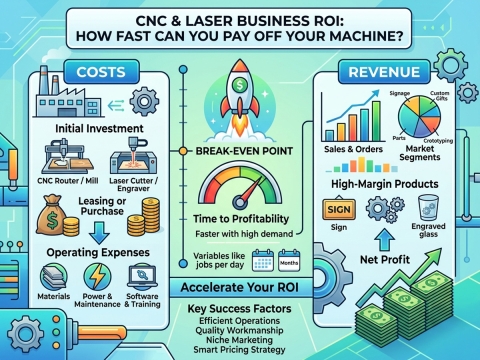
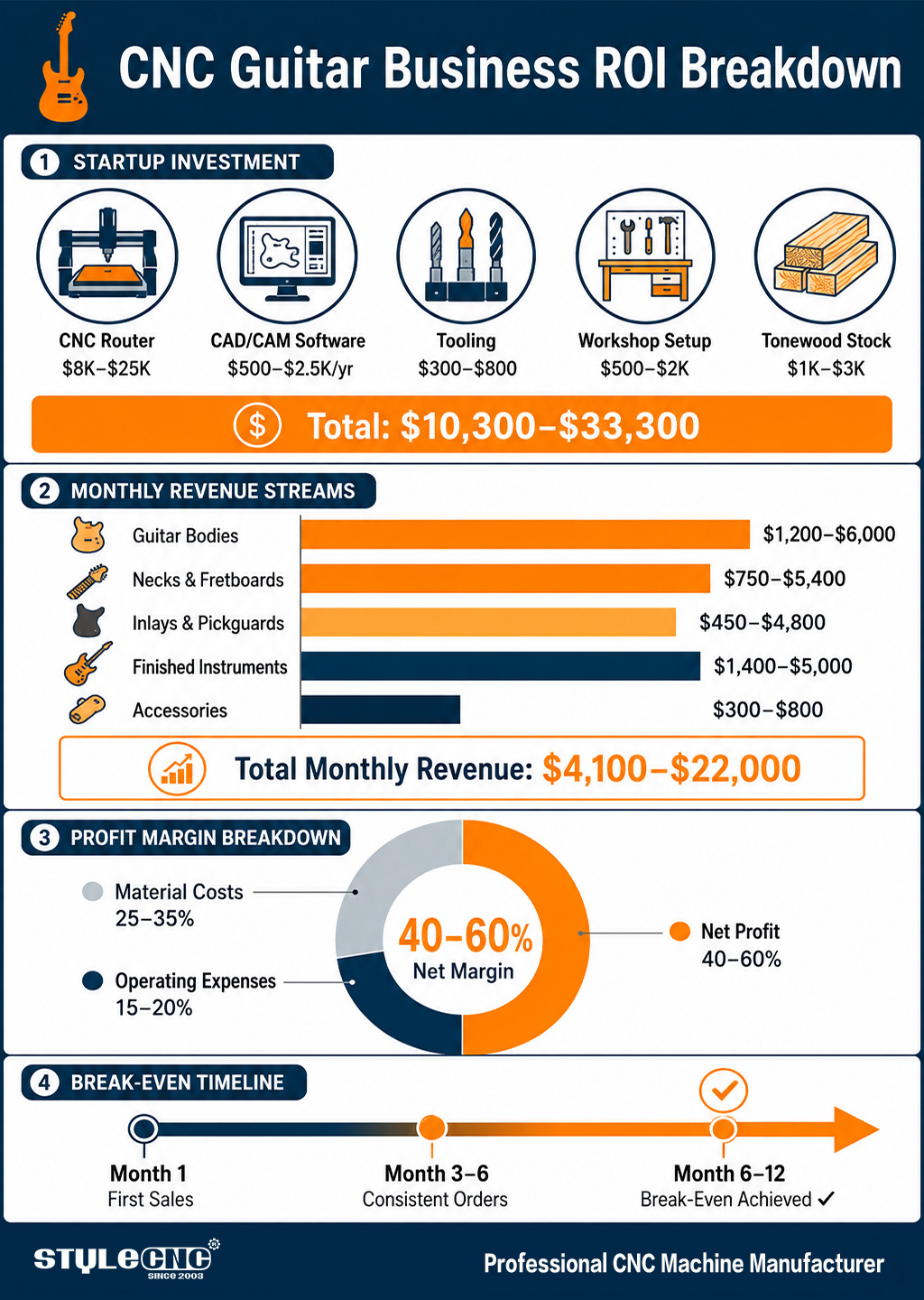
事業開始前に財務状況を把握することは不可欠です。ここでは、CNC加工によるギター部品と完成品を製造する小規模工房を想定した、現実的な投資収益率(ROI)予測を示します。
| 投資項目 | 見積もり金額 |
|---|---|
| CNCルーター(3軸、ATC、1300×2500mm) | $ 8,000- $ 25,000 |
| CAD/CAMソフトウェア(Fusion 360、VCarveなど) | 年間500~2,500ドル |
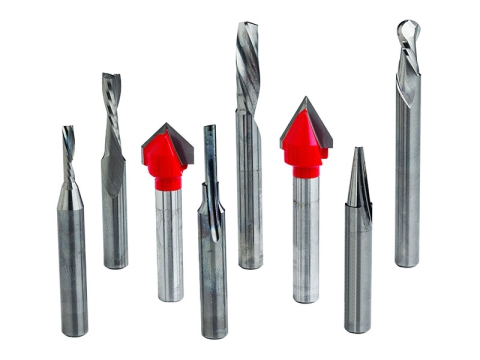
| 工具(エンドミル、ボールエンドミル、Vビット) | $ 300- $ 800 |
| 集塵と作業場の設置 | $ 500- $ 2,000 |
| 初期の音響木材ストック | $ 1,000- $ 3,000 |
| スタートアップ投資総額 | $ 10,300- $ 33,300 |
月間売上予測(小規模工房向け)
| 収益ストリーム | 月間ユニット数 | 月収 |
|---|---|---|
| ギター本体(エレキギター) | 20-40 | $ 1,200- $ 6,000 |
| ネックと指板 | 15-30 | $ 750- $ 5,400 |
| カスタムインレイとピックガード | 30-60 | $ 450- $ 4,800 |
| 完成した楽器 | 2-5 | $ 1,400- $ 5,000 |
| 付属品(ピック、スタンド、治具) | 50〜100 + | $ 300- $ 800 |
| 月間推定総収益 | - | $ 4,100- $ 22,000 |
材料費は平均して収益の25~35%、営業費用は約15~20%純利益率は40%~60% 適切に管理されたCNCギター製造会社であれば、これらの目標は達成可能です。ほとんどの工房は、安定した生産を6~12ヶ月続けることで損益分岐点に達します。
顧客にリーチする方法
CNC加工されたギターパーツや楽器を販売するには、マルチチャネル戦略が不可欠です。ここでは、製作者が顧客を獲得し、維持するために用いる最も効果的な戦略をご紹介します。
✓ Reverb.com – 楽器とパーツに特化した最大規模のマーケットプレイス。出品手数料が安く、購入者からの信頼も高く、ギターパーツ向けのSEO対策も万全です。
✓ Etsy – カスタムインレイ、ブランドピック、ユニークなヘッドストックオーバーレイ、職人によるアクセサリーに最適です。
✓ eBay / Amazon – 標準化されたボディ、ネック、ハードウェアキットを大量に販売しています。
✓ Shopify を使った直接ウェブサイト – ブランドを構築し、カスタム構築をアピールし、消費者への直接販売によってより高い利益率を獲得しましょう。
✓ 音楽小売業者および流通業者 – 店舗およびチェーン向けの卸売パートナーシップ。
✓ 弦楽器製作者向けサプライヤーコミュニティ – LMI、StewMacコミュニティ、ソーシャルメディアグループなどのフォーラムは、信頼できる部品サプライヤーを必要とするプロの製作者とつながる機会を提供します。
避けるべき一般的な間違い
CNCギター製作ビジネスを始めるには、習得すべきことがたくさんあります。多くの新規製作者が陥りがちな落とし穴は以下のとおりです。
・試作品作りを省略する:高級な音響木材を加工する前に、必ず安価なポプラ材やMDF材で試し切りを行ってください。
・広葉樹に対する不適切な送り速度:メープルや黒檀のような密度の高い木材は、ささくれを防ぐために、より遅い送り速度と鋭利な超硬工具が必要です。
・集塵対策を怠ると、微細な木材粉塵がスピンドルベアリングやレールを損傷する可能性があります。最初から適切な集塵装置を導入しましょう。
・品質管理プロセスなし:ノギスで各バッチを測定します。ネックポケットの0.2mmのずれでも演奏性に影響します。
・価格設定が低すぎる:価格を設定する前に、機械作業時間、材料費、仕上げ費用、送料、マーケットプレイスの手数料を考慮に入れましょう。
・CNCだけに頼りすぎること:最終的な研磨、透かし彫り、仕上げ、セットアップは依然として手作業で行われます。CNCは粗削りや精密な成形を担いますが、全体の組み立てを担うわけではありません。
はじめに:ステップバイステップのチェックリスト
アイデアから最初の販売までをできるだけ迅速に進めるには、以下の手順に従ってください。
1. 自分のニッチ市場をリサーチする:エレキギター本体、アコースティックギターキット、アクセサリー、あるいはそのすべて。
2. CNCルーターを選択して注文します。以下のオプションをご覧ください。 STYLECNC 木工用CNCルーターカタログ お客様の予算と生産目標に合わせて調整いたします。
3. CAD/CAMソフトウェア(Fusion 360、VCarve Pro、またはAspire)をインストールし、ギター専用のツールパスを習得します。
4. 信頼できるサプライヤー(ギルマーウッド、クックウッド、または再生材を扱う地元の製材所など)から音響材を調達する。
5. 高級な素材にこだわる前に、MDFやポプラ材で最初のデザインの試作品を作ってみましょう。
6. Reverb、Etsy、そしてご自身のShopifyストアに販売者アカウントを設定します。
7. 製品の写真を撮影し、詳細な仕様、木材の種類、CNC加工の精度に関する説明を添えて製品リストを作成してください。
8. CNC加工の工程動画を投稿するソーシャルメディア(Instagram、YouTube、TikTok)を構築しましょう。これらの動画は非常に高いコンバージョン率を誇ります。
動画:CNCルーターでギターボディを製作
書庫 STYLECNC ルーターを使って、原木からギターのボディを成形する様子をご覧ください。動画によるデモンストレーションの全編はこちら: CNCルーターを使ったDIYギターボディ.
よくある質問
ギターを作るには、どのくらいのサイズのCNCルーターが必要ですか?
個々のボディやネックを扱うには、最低でも600×900mmの作業スペースが必要です。バッチ生産やシートのネスティングには、1300×2500mm以上のテーブルをお勧めします。
CNCギター製造ビジネスを始めるには、どれくらいの費用がかかりますか?
エントリーレベルのセットアップは、ルーター、ソフトウェア、工具、初期材料を含めて約1万ドルから1万5千ドル程度で済みます。生産レベルのワークショップは通常、2万ドルから3万5千ドルが必要です。
CNC加工はエレキギターだけでなく、アコースティックギターにも使えますか?
はい。CNCルーターは、アコースティックギターのブレーシング、ネックブロック、ロゼッタ、ブリッジプレート、ボディモールドなどを加工します。多くのアコースティックギター製作家は、構造部品のすべてにCNCを使用し、手作業は音色調整と最終組み立てのみに使用しています。
ギター製作に最適なCAD/CAMソフトウェアは何ですか?
Fusion 360、VCarve Pro、Aspireはギター製作者の間で最も人気があります。FreeCADのような無料のオプションは基本的な2Dプロファイルには使えますが、 3D 首の彫刻には通常、Fusion 360またはMeshCAMが必要です。
CNC加工によるギター製作は、副業として儲かるだろうか?
もちろんです。ReverbやEtsyでギターのボディとネックを月に10~20個販売するだけで、40~60% 利益率が高いため、本業と並行して副収入を得るのに十分だ。
CNC加工はギター製作における手作業の技術に取って代わるのか?
いいえ。CNCは精密な成形、空洞加工、反復作業を処理しますが、最終的な研磨、透かし彫り、仕上げ、セットアップ、品質検査は、職人の評判を左右する重要な手作業のスキルです。